
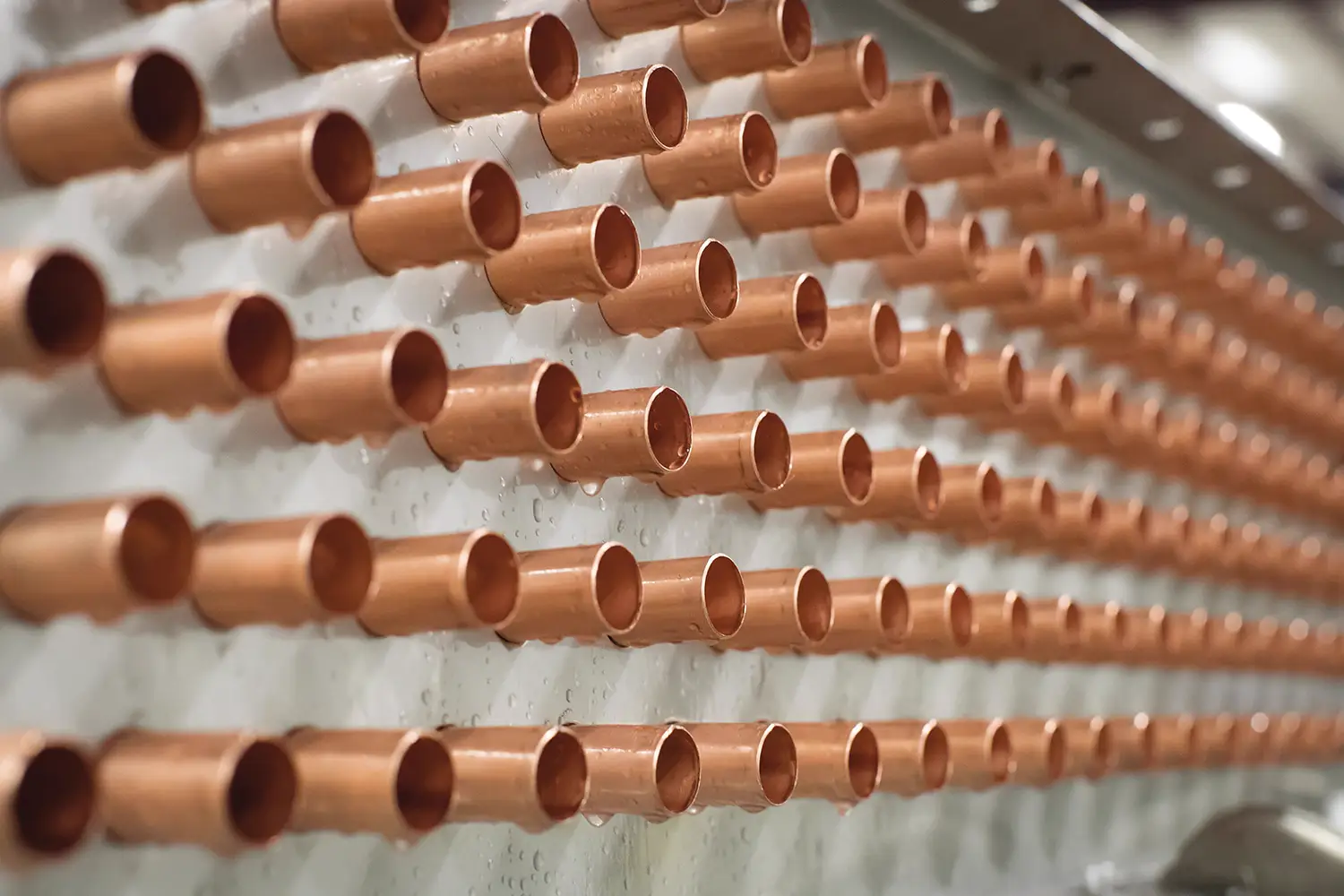
Protective coil coatings
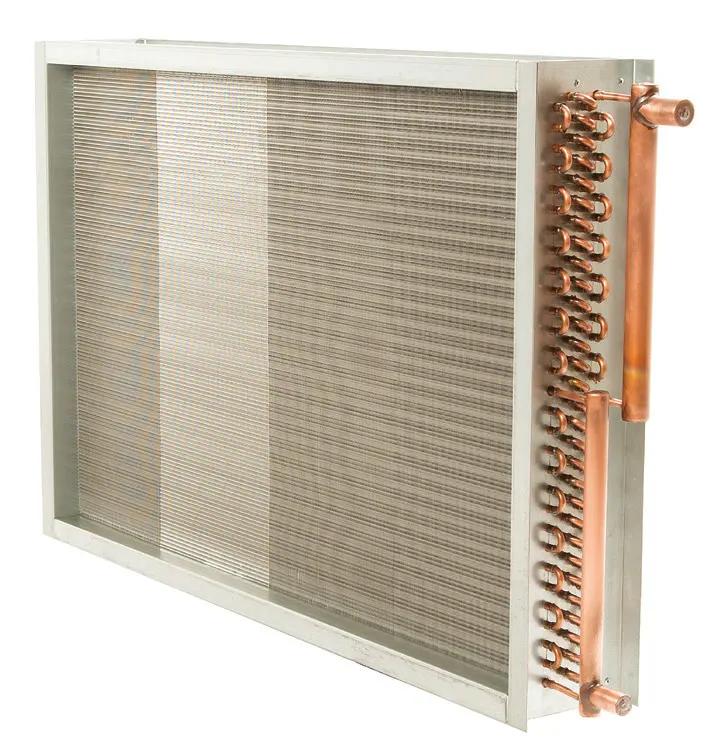
If the coil you are replacing died young from corrosion, the new one will too unless something changes. A factory-applied coating protects the fins and tubes from salt air, chemicals and pollutants.
When a coating is worth it
Coastal locations
Salt air attacks the bond between aluminum fins and copper tubes.
Industrial and chemical exposure
Plating, wastewater, food processing, labs, and anything downwind of a process exhaust.
Near cooling towers or kitchen exhaust
Drift and grease shorten coil life.
Urban and highway pollution
Sulfur and nitrogen compounds on condenser coils.
A coil that already failed early
The best evidence that the next one needs protection.
Common coating types
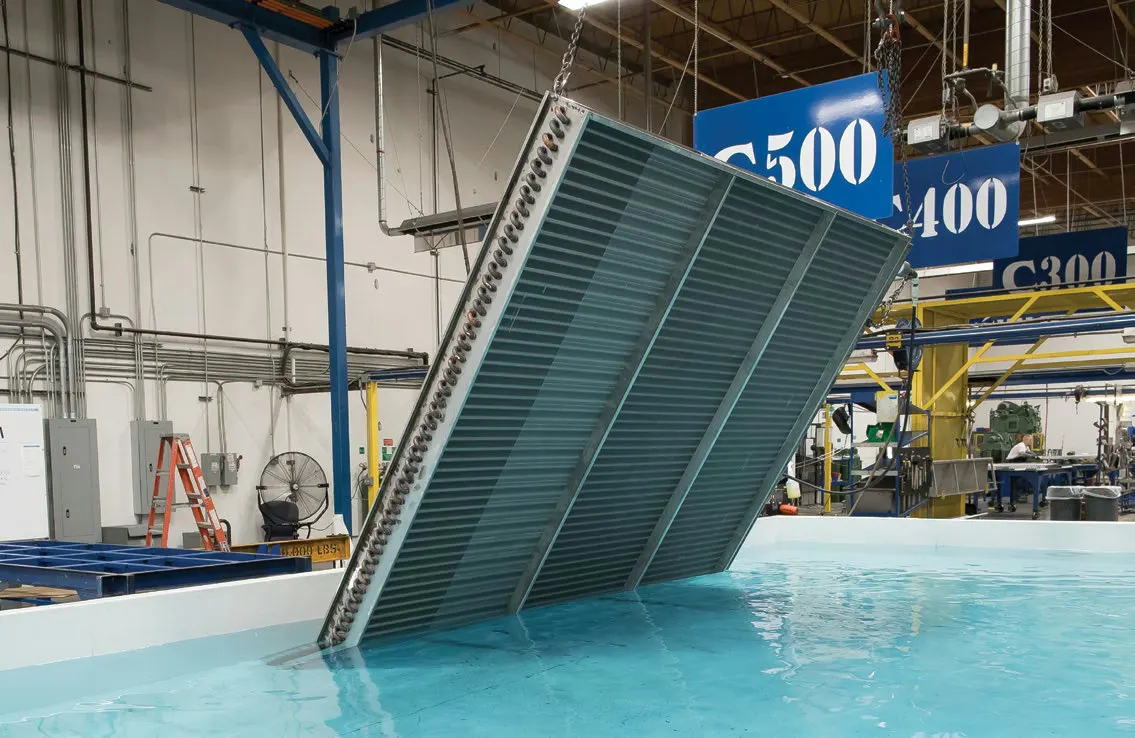
- Baked phenolic
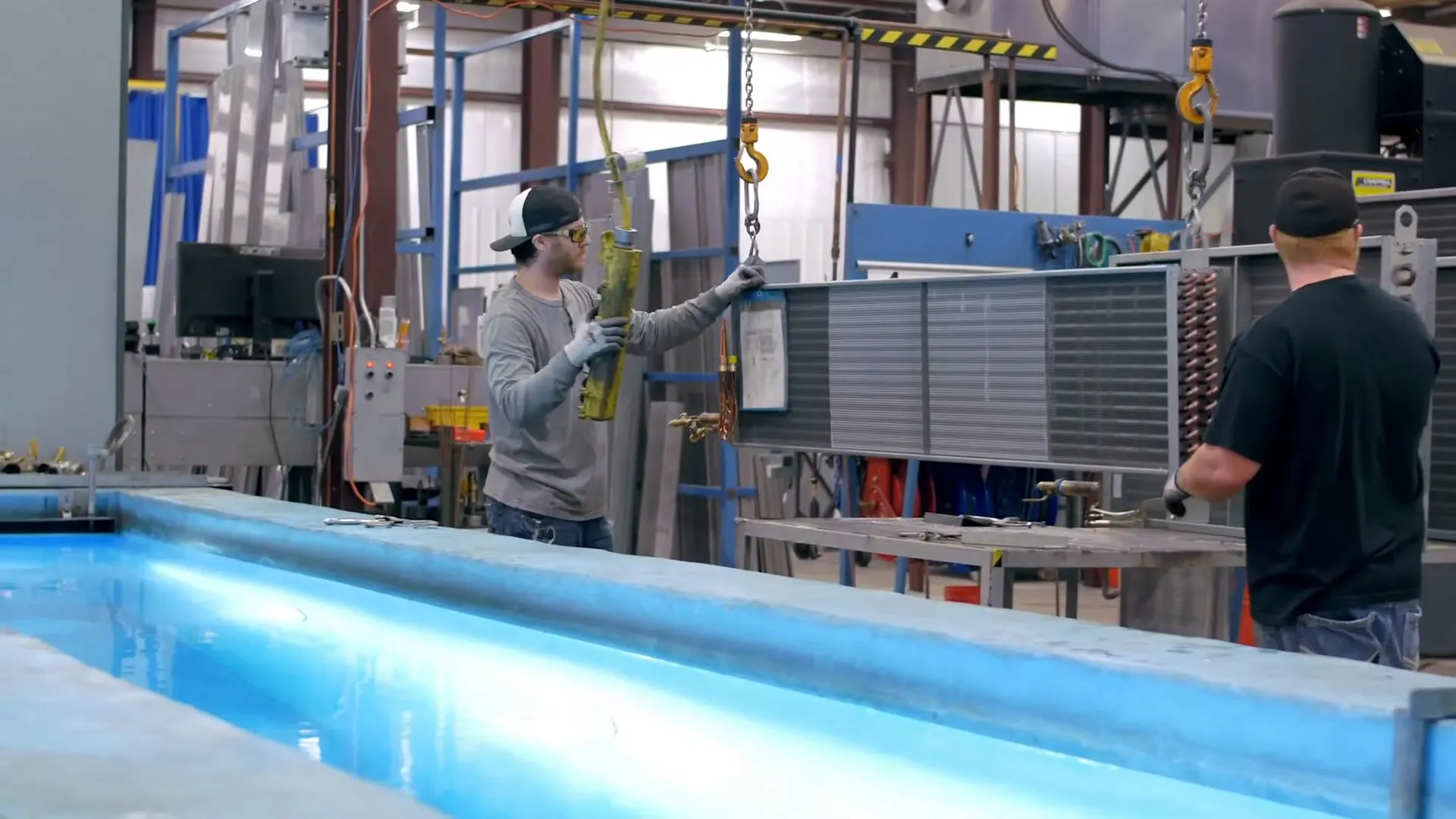
- Dipped and baked coating with broad chemical resistance. A long-standing choice for harsh industrial and coastal air.
- Electrodeposited (e-coat)
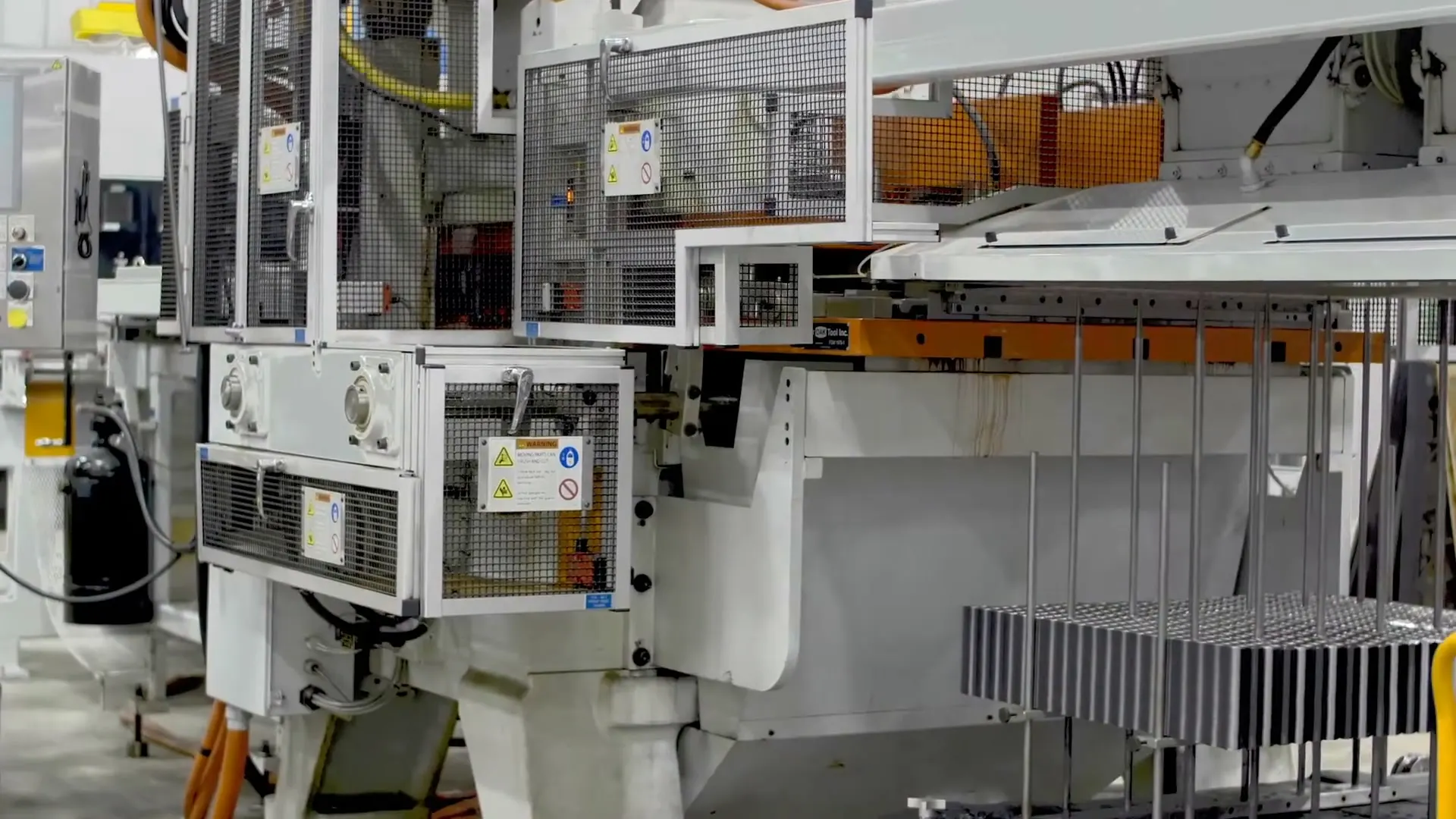
- A thin, even epoxy film applied electrically, reaching deep between fins. Usually finished with a UV-resistant top coat for outdoor coils.
- Other options
- Pre-coated fin stock and copper fins are lower-cost alternatives for milder exposure.
Tell us what the coil is exposed to and we will recommend a coating with the coater’s chemical resistance data in hand. Coatings add a little air-side resistance and some time to the schedule; your quote shows both the coating and the extra days.
Coating warranties come from the coating applicator. We give you their terms with the quote.
Frequently asked questions
When is a coil coating worth it?
When the coil you are replacing died young from corrosion. Salt air, chemicals and pollutants will shorten the life of the new coil too unless it is protected.
Does a coating affect lead time?
It can add to production time, and the coil ships from the coating plant. Your quote shows both.
How do I clean a coated coil?
Follow the coating applicator’s cleaning guidance. Harsh acid or alkaline cleaners can damage both fins and coatings.
Which coils can be coated?
Coatings are most often specified on condenser coils and other coils exposed to corrosive outdoor or process air. Tell us what the coil is exposed to and we will tell you what makes sense.
Replacing a corroded coil?
Send photos of the old coil and a note on where the unit sits. We will suggest whether a coating makes sense.