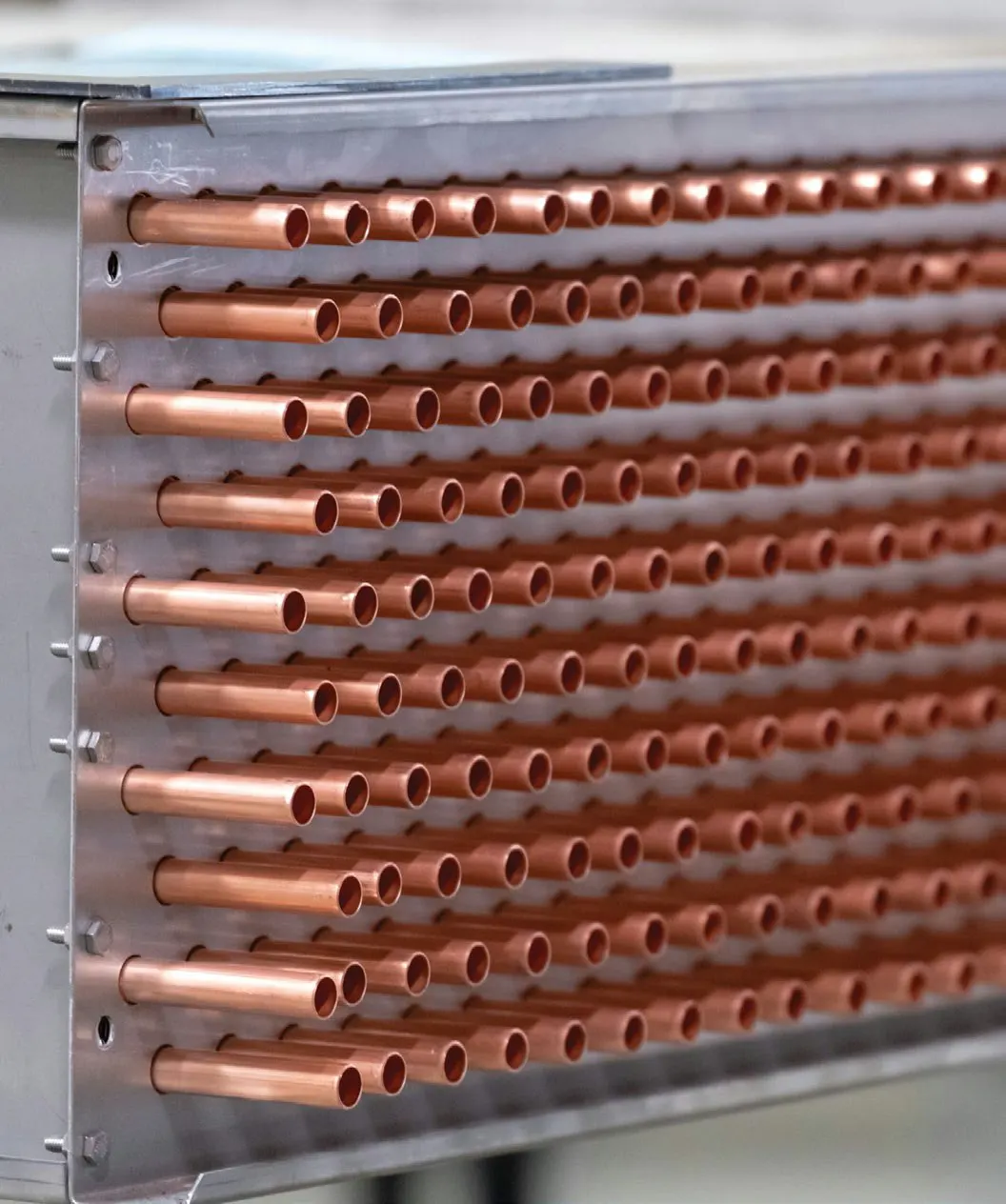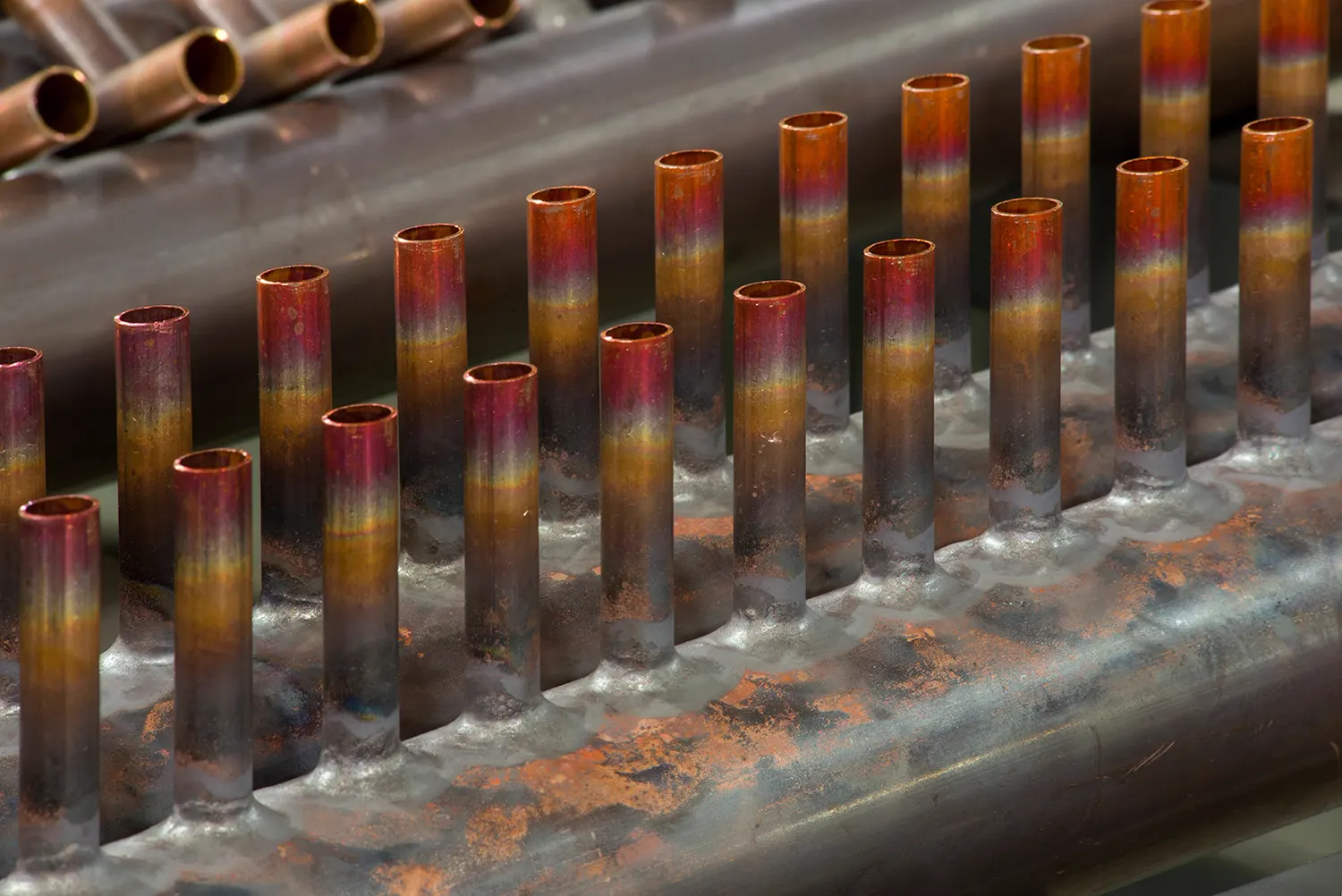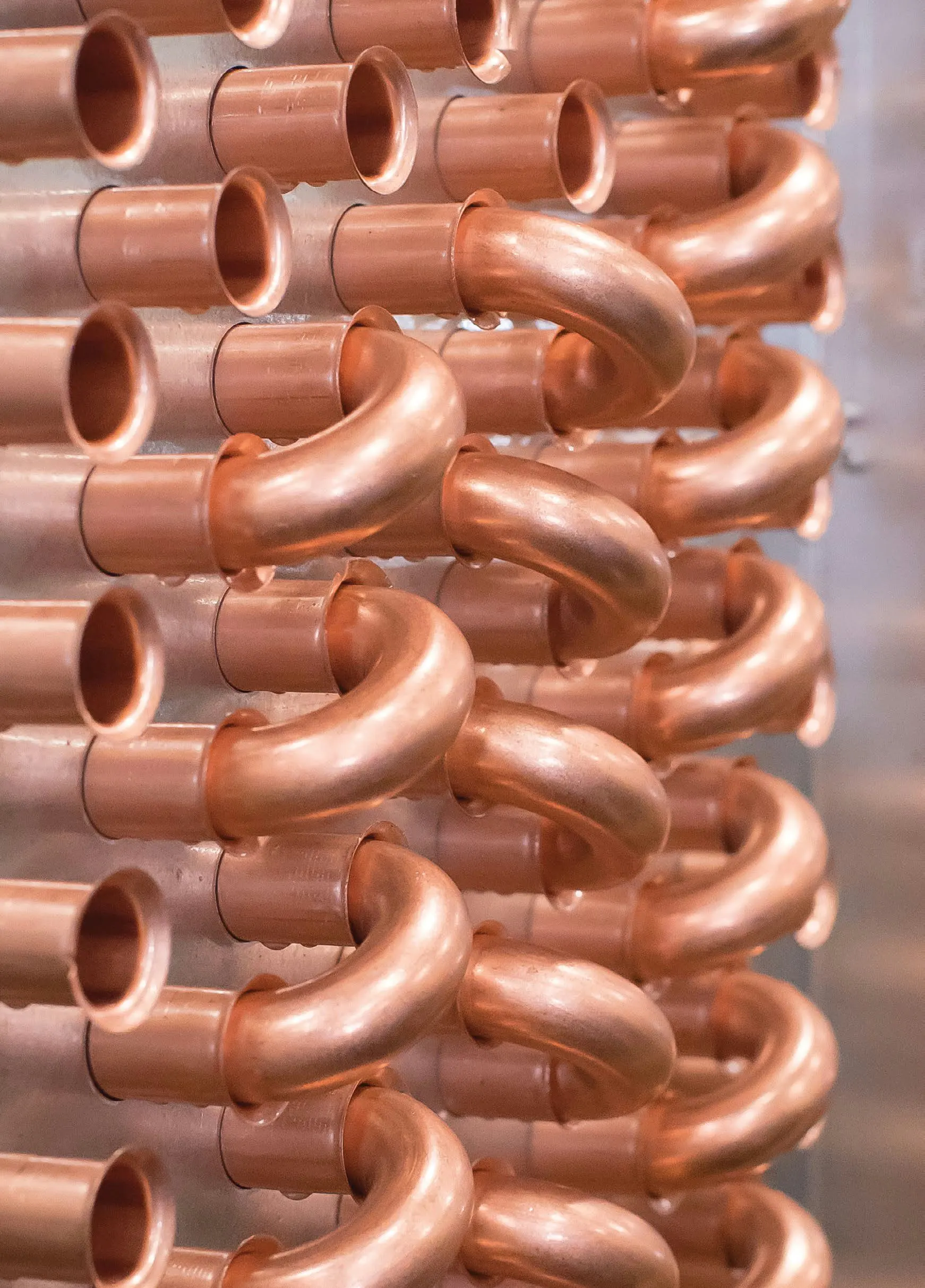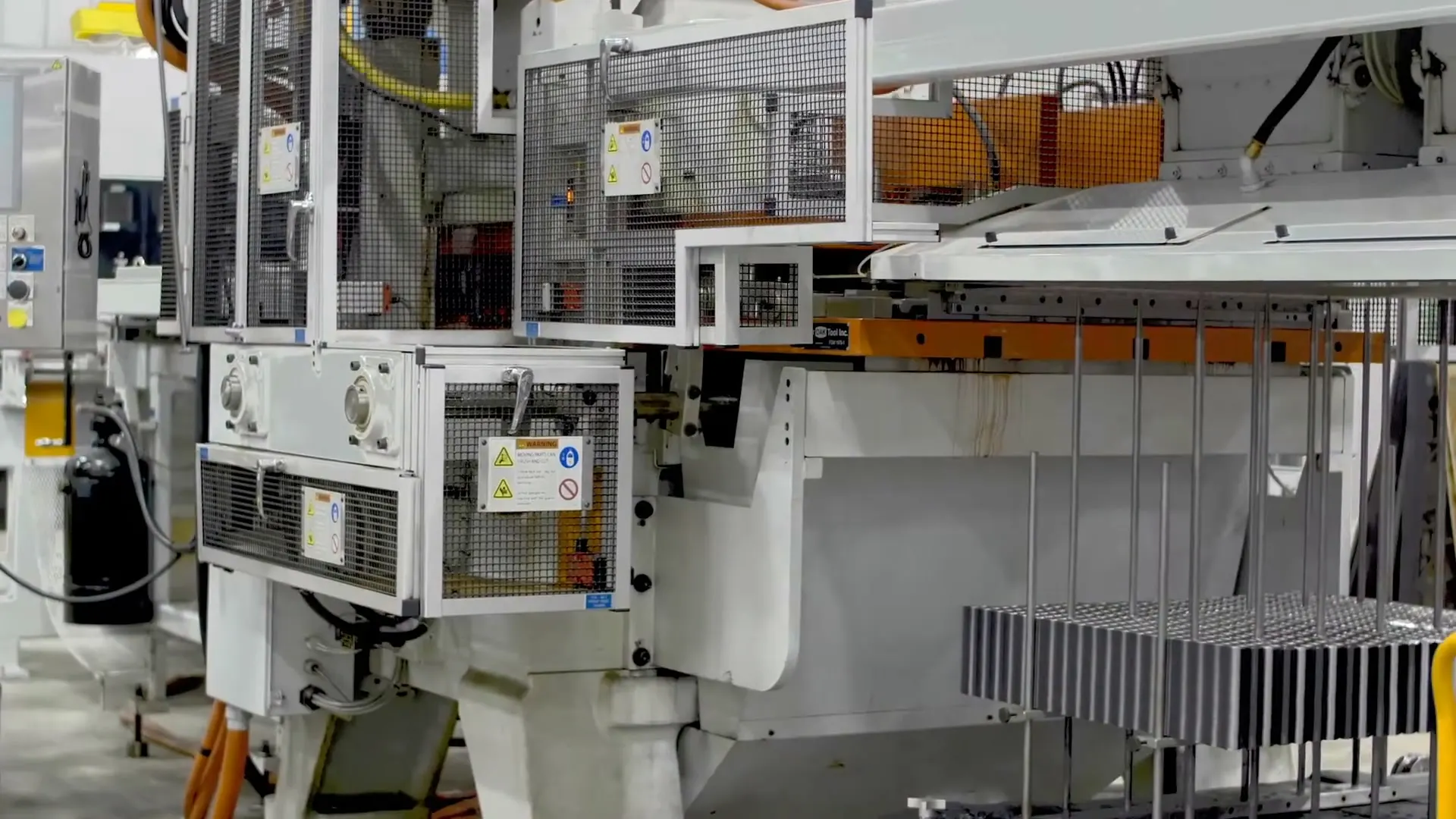
The coil itself
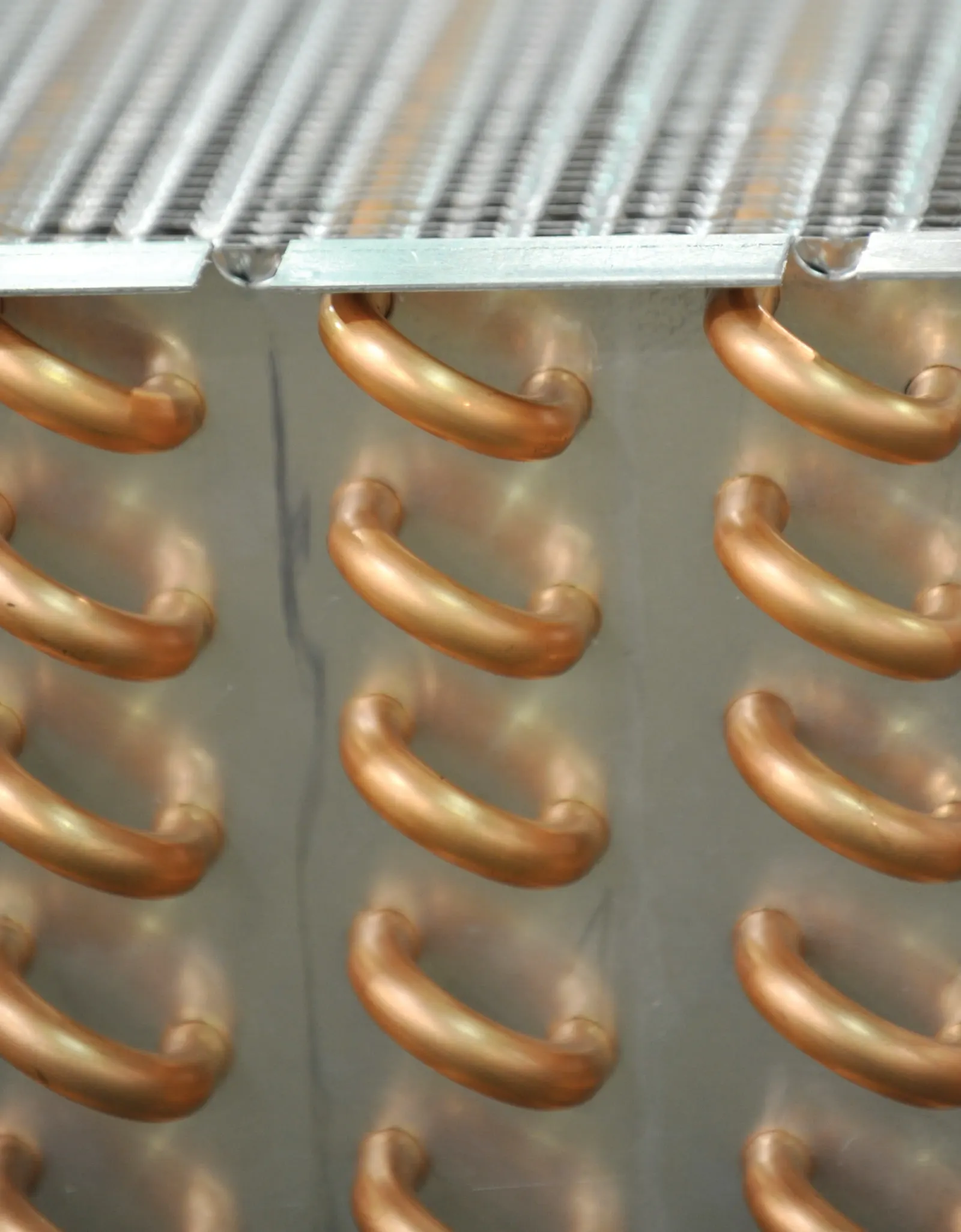
- Size. Face area, rows and fins per inch set how much copper and aluminum go into it.
- Construction. Heavier tube walls for higher pressures, copper fins, stainless steel casings and steam distribution construction all add cost.
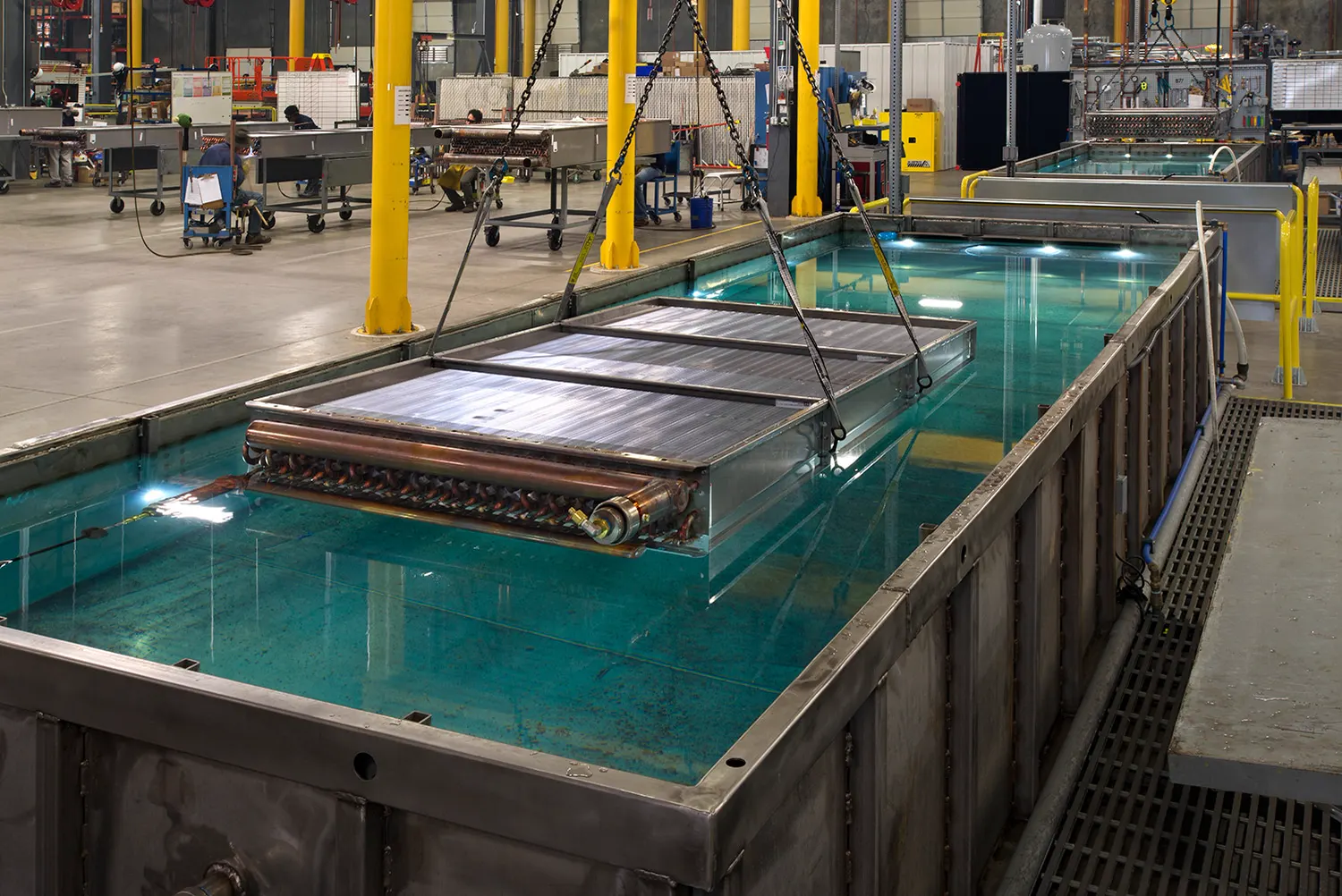
- Coatings. A factory-applied protective coating adds to the price and to production time.
- Splitting. A coil built in sections to fit through a door adds headers and connections.
How fast you need it
Standard production is the most economical. Expedited and emergency production carry a premium, shown on the quote before you commit. See emergency coil replacement.
Freight
Coils ship direct from the build plant to your site. Size, weight, distance and how fast it has to arrive drive the freight cost, which is quoted separately from the coil.
Installation
Installation is usually done by your mechanical contractor, and it is often a large part of the total. It depends on:
- Access: panels, doors and how the old coil comes out.
- Rigging, and any demolition if the coil cannot pass through existing openings.
- Piping changes if the connections move.
- For DX coils, refrigerant recovery, evacuation and recharge.
How to keep the price down
- Measure accurately. A coil that arrives wrong costs far more than an hour spent measuring. Use the measuring guide.
- Match connections to the existing piping so the contractor does not have to repipe.
- Batch identical coils. Booster coils and fan coil coils quoted together are simpler to price and ship.
- Plan ahead. Replacing a coil you know is failing before the cooling or heating season avoids emergency premiums.
- Consider sectional coils where the alternative is cutting walls or roofs.
Getting a number
For a budget price, a nameplate photo and the approximate face size are usually enough. See what you need for a quote, or request a quote.