What a condenser coil does
An air-conditioning system moves heat. Indoors, the evaporator coil picks up heat from the air. The compressor then pumps the refrigerant, now a hot gas, out to the condenser coil.
In the condenser coil, outdoor air blown across the fins carries that heat away. As the refrigerant gives up its heat, it condenses back into a liquid. That liquid flows back toward the evaporator, and the cycle repeats.
So the condenser coil is the system’s radiator. If it cannot reject heat, the whole system loses capacity, no matter how good the rest of the equipment is.
Where you find one in a commercial building
- Packaged rooftop units. The condenser coil sits in the outdoor section of the unit, usually on the sides or across the back, with fans drawing air through it.
- Air-cooled condensing units. On a split system, the condensing unit outdoors carries the condenser coil and compressor, piped to an evaporator coil in an air handler indoors.
- Remote air-cooled condensers. Stand-alone condensers serving equipment inside the building.
Some coils are flat. Others wrap around two or three sides of the unit, which matters when you measure for a replacement.
How condenser coils are built
Copper tube and aluminum fin
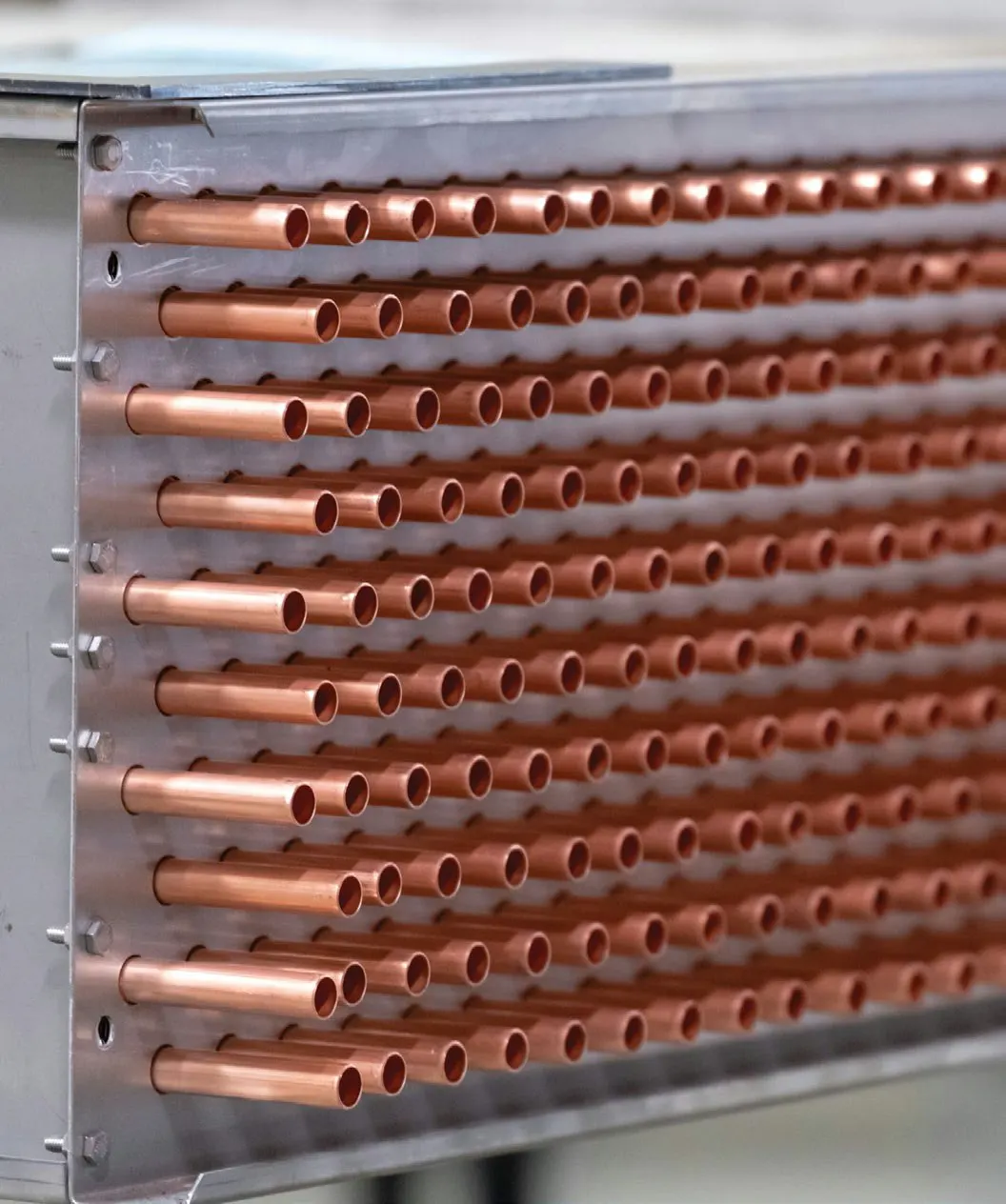
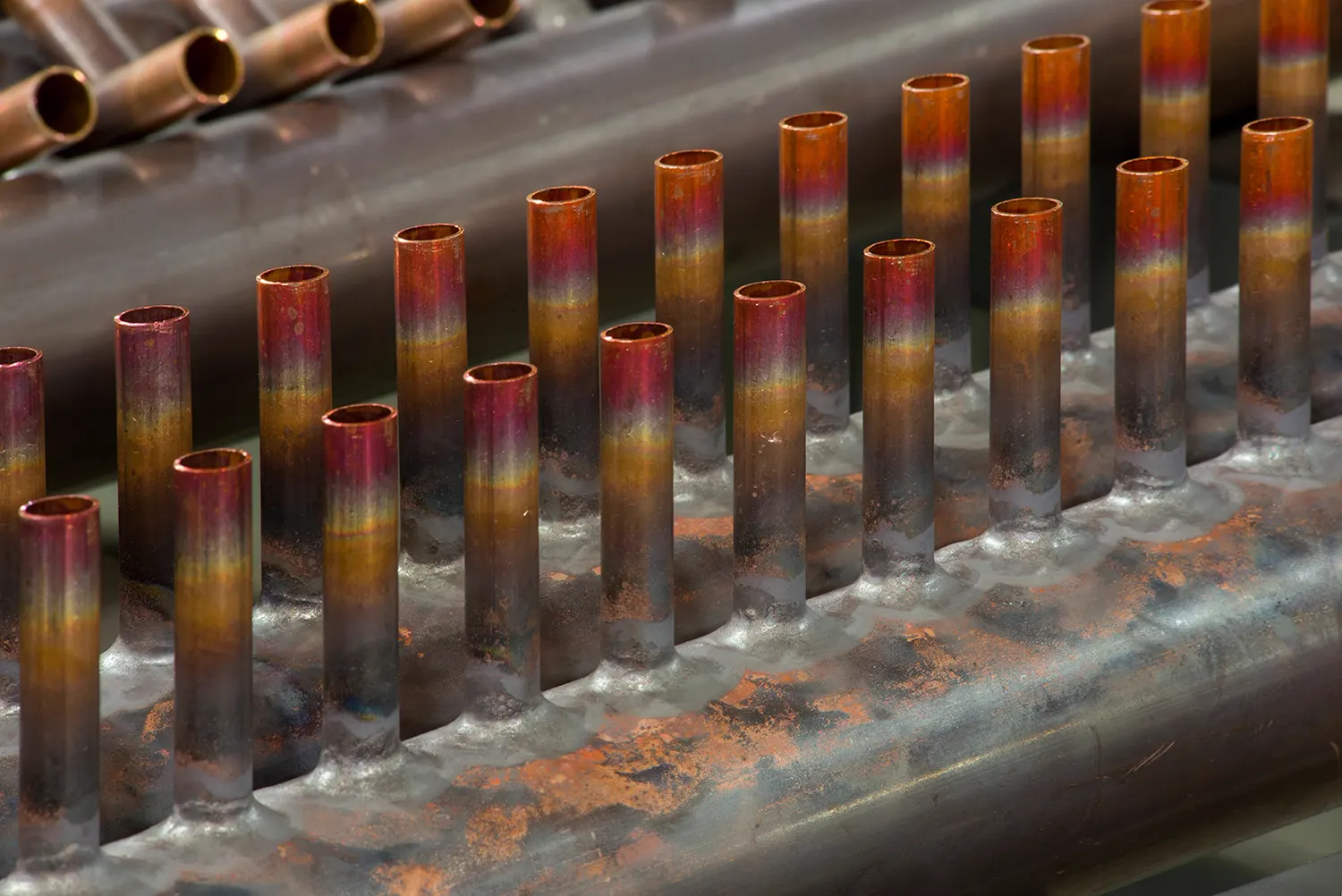
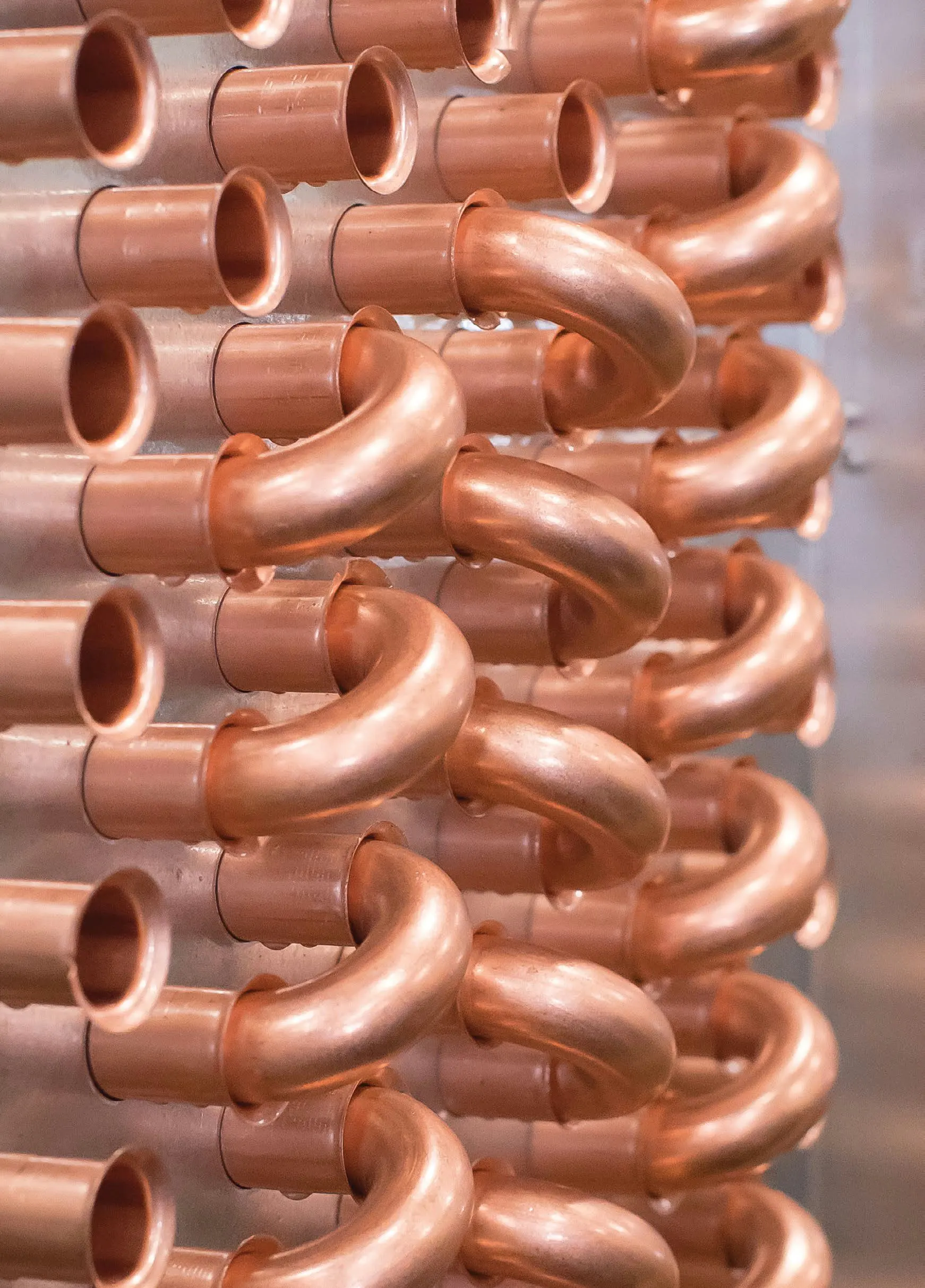
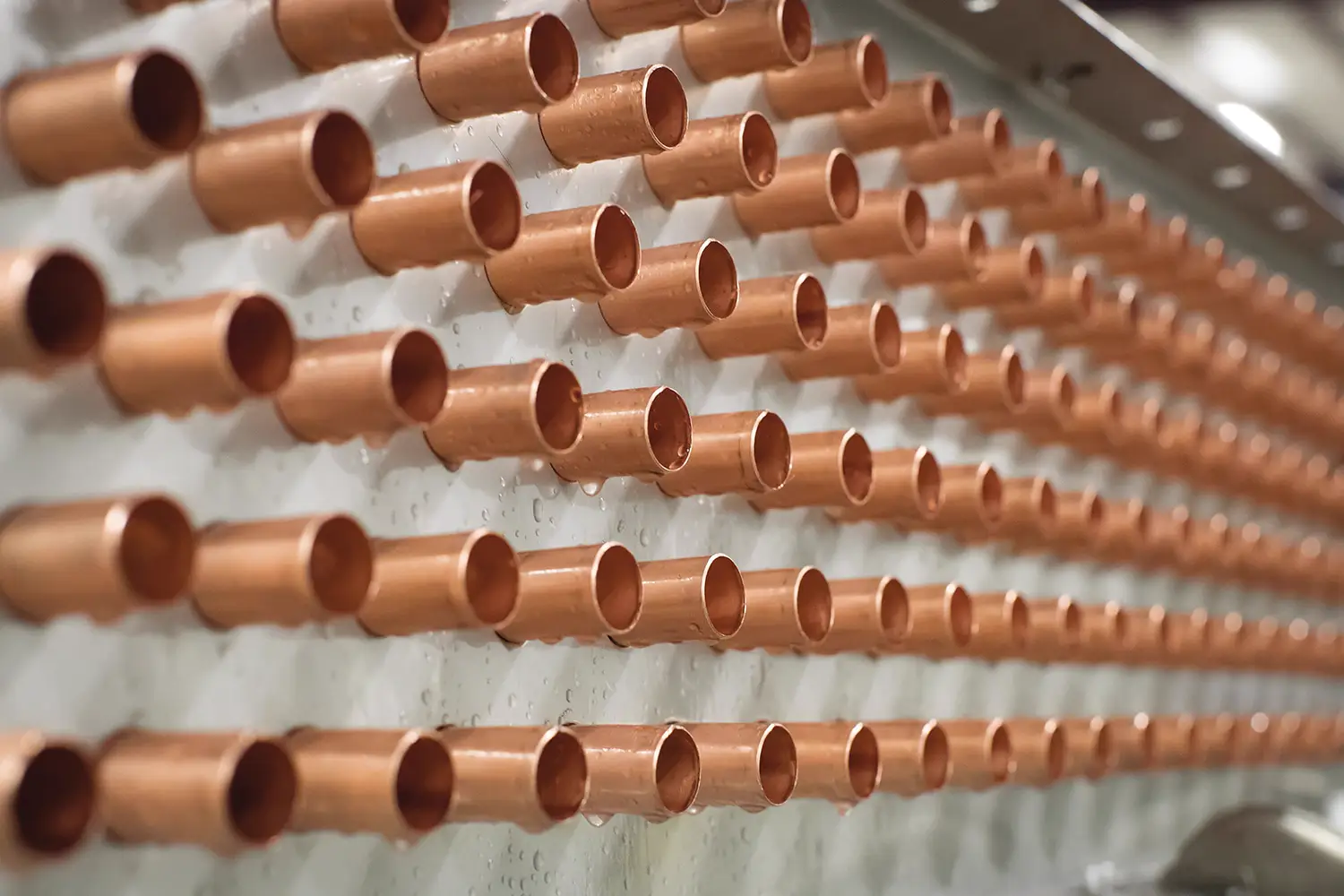
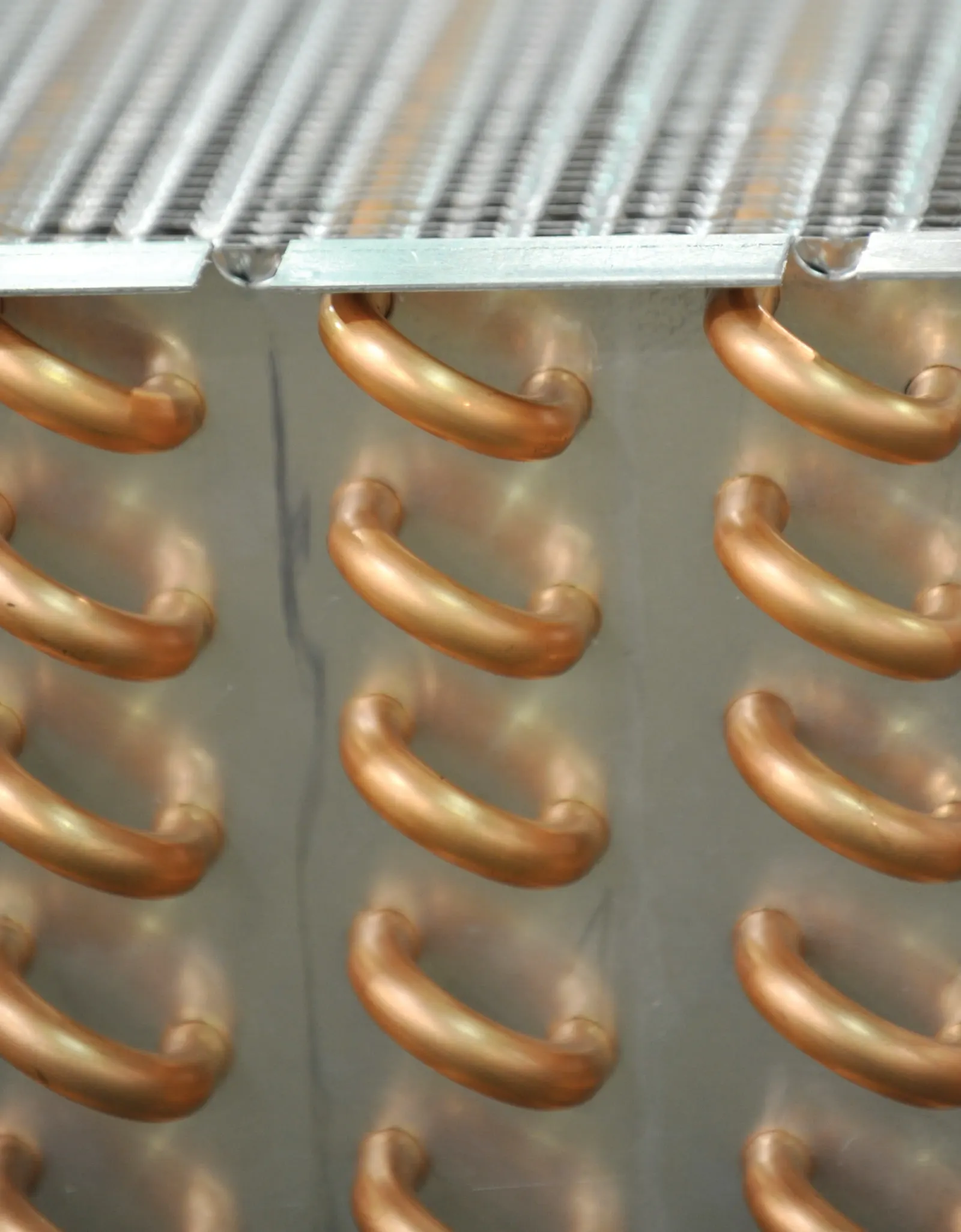
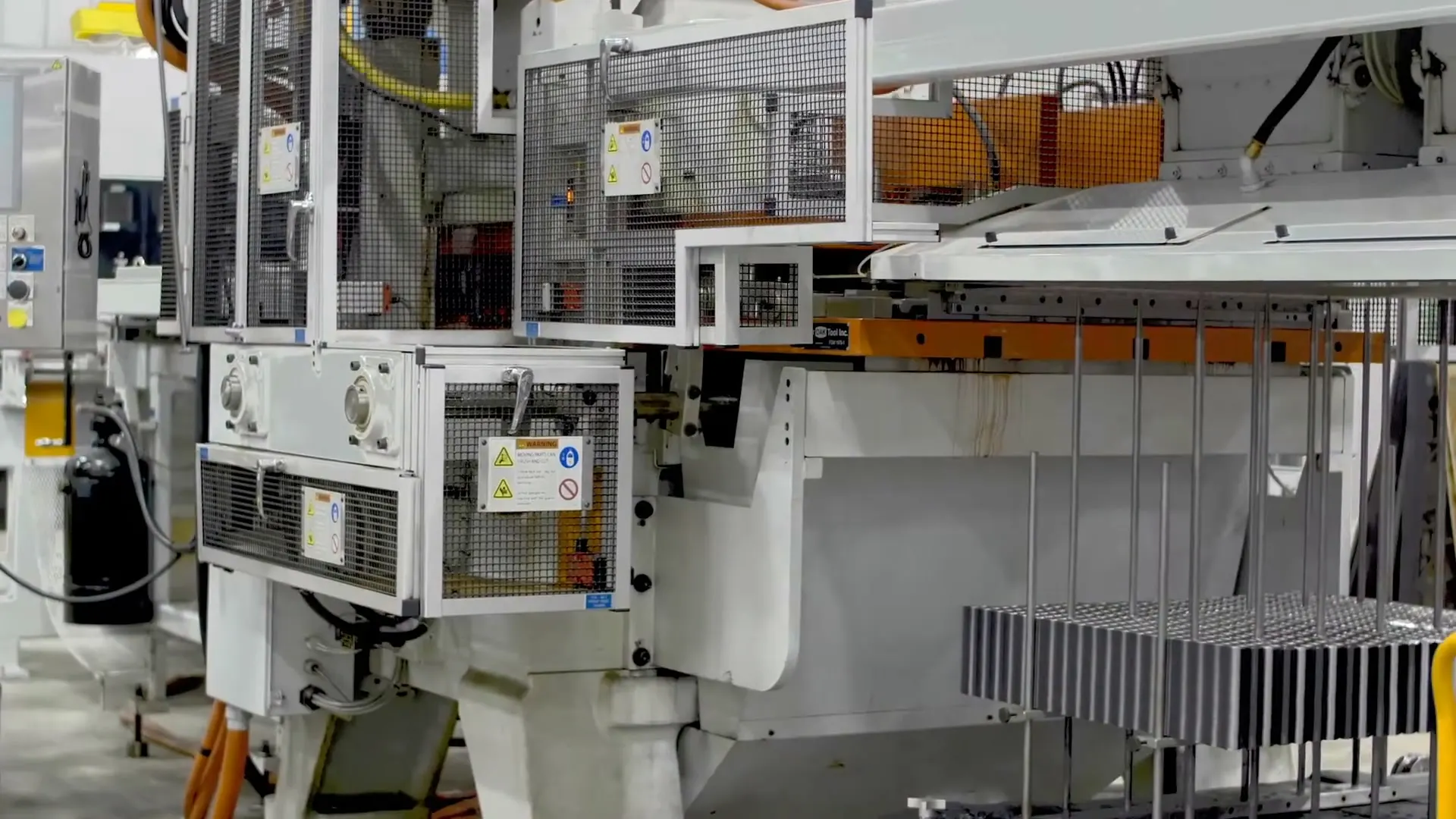
The traditional condenser coil uses round copper tubes expanded into thin aluminum fins, inside a steel frame. Refrigerant runs through the tubes in one or more circuits, and the hot gas and liquid connections are usually brazed (sweat) connections.
This construction can be repaired in the field, can be built in almost any size, and can carry a factory-applied protective coating. Copper fins are an option where the air is corrosive.
Microchannel
Many newer packaged units use microchannel coils instead: flat aluminum tubes with many small passages, brazed to louvered aluminum fins. They hold less refrigerant and are compact.
The trade-off is repair. Microchannel leaks are hard to braze in the field, so a leaking microchannel coil usually means replacement. Some microchannel coils are specific to the unit they came in, and for those the equipment manufacturer can be the better source.
Where the cabinet has room, a microchannel coil can sometimes be replaced with a copper tube, aluminum fin coil. That changes the refrigerant charge, so the system is recharged for the new coil. See microchannel coil replacement.
Signs a condenser coil needs replacing
- Corroded fins. Fins that flake or crumble when touched, common in coastal or industrial air and near cooling towers or kitchen exhaust.
- Refrigerant leaks. Leaks at return bends or in the tubes, often found after repeated recharges.
- High head pressure. Capacity loss and high discharge pressure that cleaning no longer fixes.
- Physical damage. Hail, impact or storm damage that has flattened the coil face.
Dirt alone is not a reason to replace a coil. Clean it first; see how to clean coils without damaging them. If capacity does not come back after a proper cleaning, or the fins come apart in your hand, it is time to look at replacement.
Repair, replace the coil, or replace the unit?
A single leak on a copper tube coil can sometimes be brazed. Widespread corrosion or many leaks usually mean replacement. If the rest of the rooftop unit is sound, replacing the condenser coil keeps the unit, ductwork and controls in place. If the whole unit is near the end of its life, it may be time to replace the unit instead; see replace the coil or the whole unit?
What you need to order a replacement
- Unit nameplate. Model and serial number of the rooftop or condensing unit.
- Photos. The coil face straight on, both ends, the corners on a wraparound coil, and the hot gas and liquid connections.
- Measurements. Fin height and fin length of each face, rows deep and fins per inch. The measuring guide shows how.
- Refrigerant and circuits. The refrigerant on the nameplate, the number of circuits and any subcooling circuit.
- Coating. Whether the original was coated and what the coil is exposed to.
From that, we return a dimensioned drawing and a quote. You check the drawing against the unit, and nothing is built until you approve it. Coils are built to order in the USA by our manufacturing partners and ship direct to your site anywhere in the contiguous United States.
Protecting the new coil
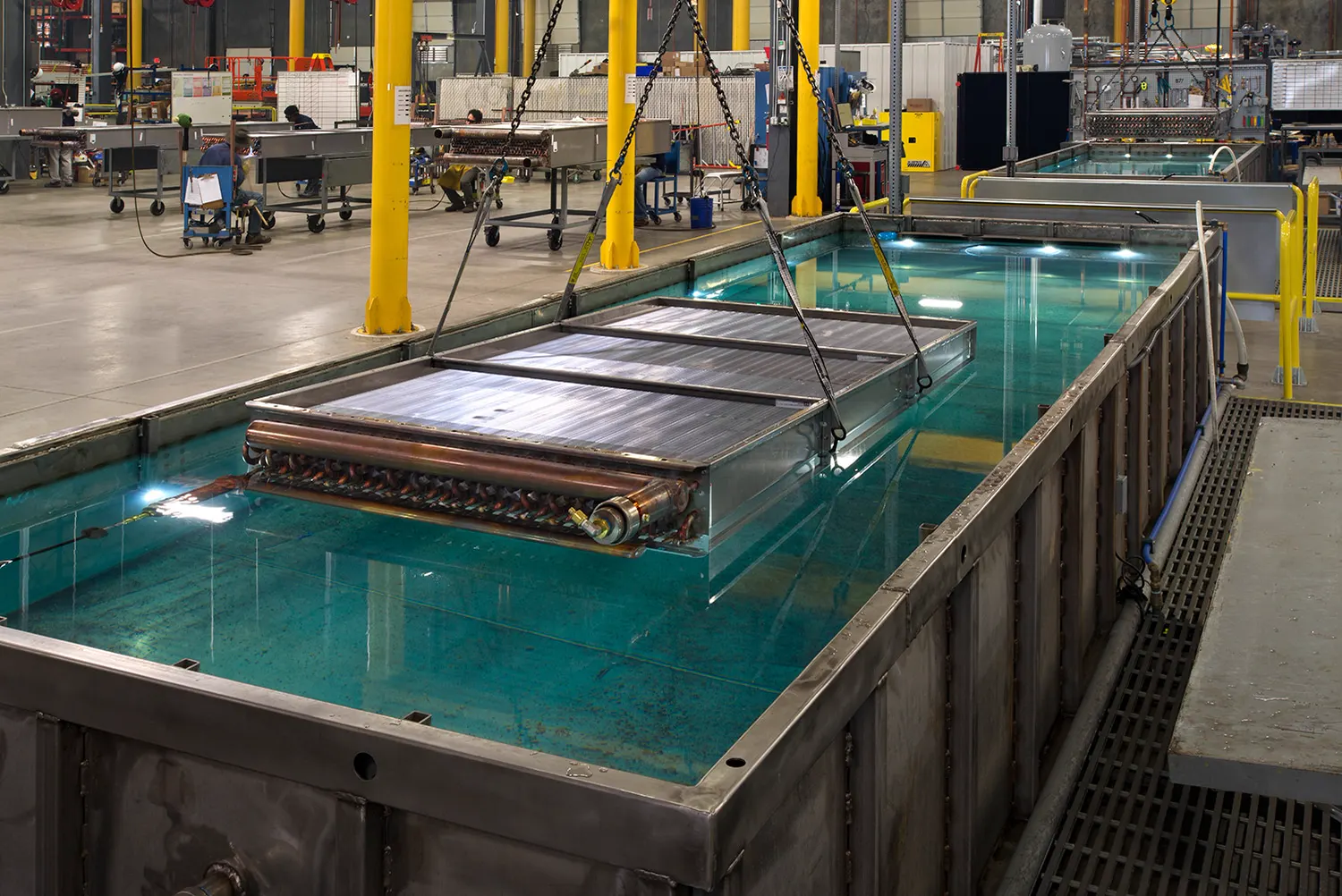
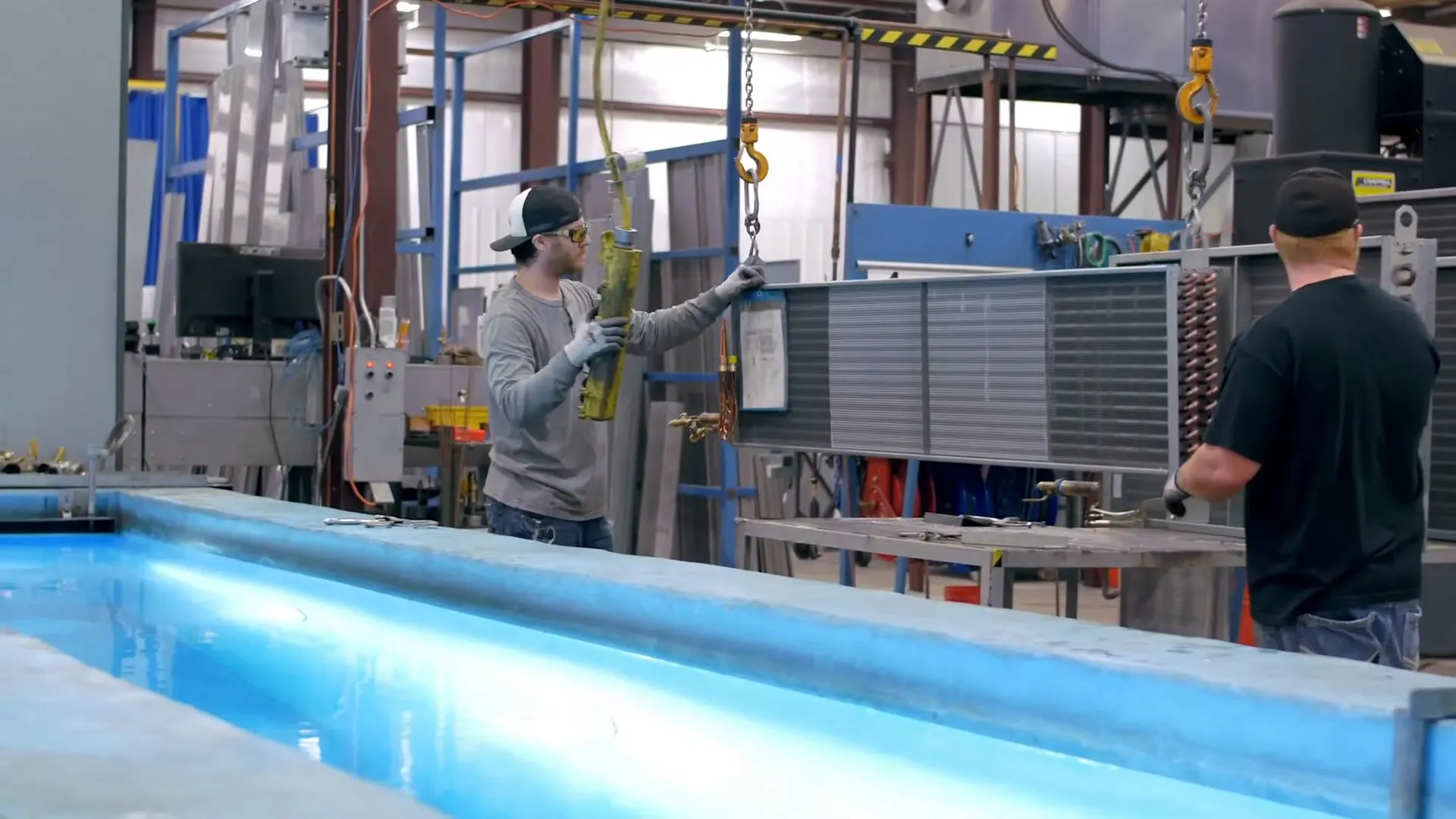
If the old coil died young from corrosion, the new one will too unless something changes. A factory-applied coating protects fins and tubes from salt air, chemicals and pollutants. It can add to production time, and your quote shows it. See protective coil coatings.
Ready to price one? See condenser coil replacement, browse OEM replacement coils by brand, or request a quote.